
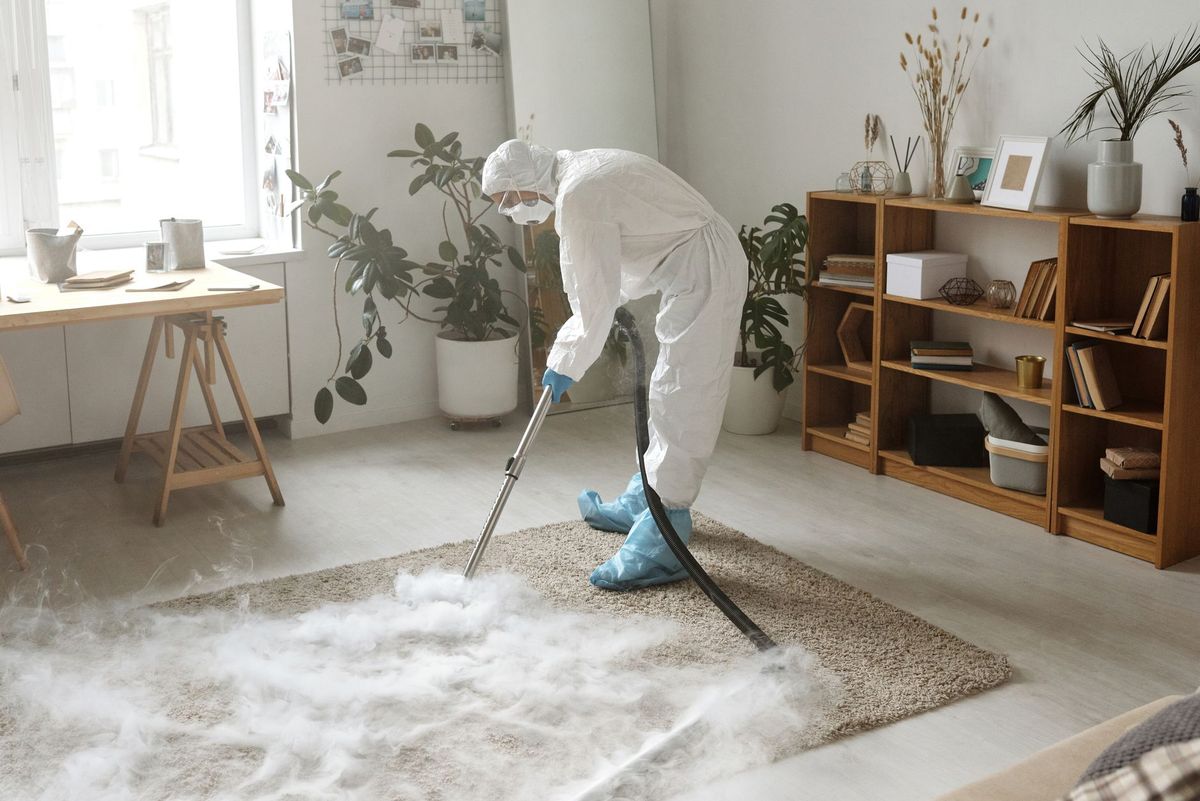
Cleaner Tiles Start With the Right Method
Have your tiles lost their original colour, while the grout lines look grey, yellow or black? In Banya, QLD, everyday dust, humidity, soap residue, cooking grease and sandy footwear can quickly make tiled floors and walls look tired, even when they are mopped regularly.
At Aussie Carpet Cleaning, we clean tile and grout for homes and small offices across Banya, Baringa, Nirimba, Gagalba, Aura and the wider Sunshine Coast. Our team brings hands-on floor-care experience, a practical understanding of local conditions and a five-star rating across 16 Google reviews. We can also explain the licence details relevant to any regulated pest-control work we provide on request, rather than leaving customers to guess what is included.
This guide covers what you can safely do between professional visits, which products can damage grout, and when a deeper clean is the better option.
Why Banya Grout Gets Dirty So Quickly
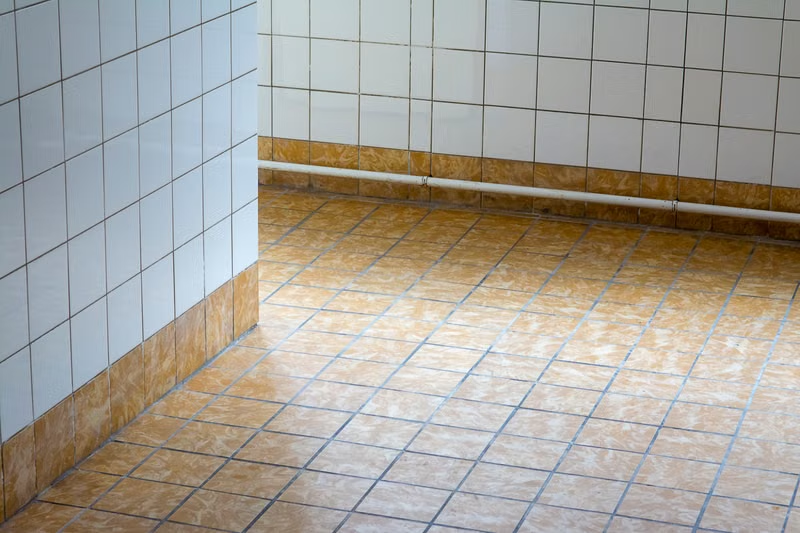
Grout is porous and slightly recessed below the tile surface, so it collects fine soil, body oils, detergent film and moisture. A flat mop may remove loose dirt from the tile face but often leaves the embedded residue behind, especially along shower edges, kitchen splashbacks and busy hallway areas.
Queensland’s warm, humid conditions can also encourage mould and mildew in poorly ventilated bathrooms. Outdoor tiles and entry areas face a different challenge: windblown dust and garden soil are tracked inside, where they become a dark paste when mixed with moisture.
For the most reliable result, tiles need the right cleaning solution, controlled agitation and thorough extraction or rinsing. Our Tile and Grout Cleaning service is designed to lift built-up soil without relying on harsh scrubbing alone.
Tile and Grout Cleaning Tips for Banya, QLD Homes
Start with frequent dry removal rather than waiting until the floor looks dirty. Vacuum or sweep tiled floors two or three times a week in busy areas, using a soft brush or hard-floor setting. Fine grit acts like sandpaper under shoes and can gradually dull glazed tiles.
For routine damp cleaning, use a small amount of a pH-neutral floor cleaner in warm water. Too much detergent does not make tiles cleaner; it leaves a sticky film that attracts more dust. Mop in manageable sections, then remove excess moisture with a clean microfibre mop.
In bathrooms, wipe shower walls and floors after use whenever possible. A squeegee reduces the water left in grout joints, while running the exhaust fan during the shower and for around 15 to 20 minutes afterwards helps the area dry. Do not seal in moisture by applying grout sealer to a damp or mould-affected surface.
Products to Avoid on Tiles and Grout
The wrong chemical can permanently change the appearance of grout or damage nearby surfaces. Before using a new product, test it in an inconspicuous area and follow the tile manufacturer’s instructions.
Avoid these common mistakes:
- Undiluted bleach: It may lighten some marks temporarily but can weaken or discolour grout and does not remove all organic contamination.
- Vinegar, lemon or other acids: These can etch natural stone, including marble, limestone and some travertine, and may wear down cement-based grout over time.
- Abrasive powders and wire brushes: They can scratch glazed tiles, remove surface finishes or make grout joints rougher and easier to soil.
- Mixing chemicals: Never combine bleach, ammonia, acids or commercial cleaners. Dangerous vapours can be produced.
- Excessive water: Flooding a tiled floor can push moisture into skirting boards, cabinetry and subfloors, particularly where grout or silicone joints have failed.
If you are unsure whether your floor is porcelain, ceramic, natural stone or a sealed surface, send us a photo or ask for an assessment before choosing a product.
A Safe Home Cleaning Process
For light soil, this simple process is usually more effective than aggressive scrubbing:
- Remove loose grit. Vacuum or sweep thoroughly, paying attention to corners, grout lines and the area beneath appliances.
- Prepare a mild solution. Use a pH-neutral tile cleaner at the label dilution. More product is not more powerful once residue begins building up.
- Work in small sections. Apply the solution, allow the recommended dwell time and keep the area wet enough for the cleaner to work, but do not leave it flooded.
- Agitate carefully. Use a soft nylon grout brush for textured or heavily soiled joints. Brush along the grout rather than aggressively across delicate tile edges.
- Rinse and dry. Remove the dirty solution with clean water, then dry the area with a microfibre cloth or mop. A second rinse is useful if the floor feels tacky.
Never scrub mould without first improving ventilation and protecting yourself from splashes. If mould keeps returning, the issue may involve leaking silicone, failed grout, poor drainage or trapped moisture rather than simple surface dirt.
When Professional Tile Cleaning Is Worth It
Home cleaning is useful for maintenance, but it has limits. Professional equipment can apply controlled pressure, agitate the grout more evenly and remove suspended soil instead of spreading it across the floor. We inspect the tile type, grout condition and problem areas before choosing a method.
In our many years of experience, the most noticeable improvements are often found in shower floors, kitchen work zones, entryways and tiled living areas near sliding doors. A standard bathroom may take roughly one to two hours depending on size and condition, while a larger home can take several hours. The final timeframe and cost depend on square metres, access, furniture, grout porosity, staining and whether sealing is requested.
For severe discolouration, old soap film or staining that has penetrated porous grout, cleaning may improve the appearance without making every joint look brand new. We will explain what is realistically cleanable before starting. If the grout is cracked, missing or permanently discoloured, replacement or recolouring may be more appropriate than repeated cleaning.
We service Banya and nearby areas including Caloundra, Bells Creek, Little Mountain, Buderim, Birtinya, Pelican Waters, Sippy Downs, Mountain Creek, Maroochydore and Nambour. For customers preparing to move, our End of Lease service can be coordinated with broader floor-care requirements, while our Pest Control team can help when cleaning concerns are connected with household pests.

Keep Newly Cleaned Grout Looking Better
Once tiles and grout have been professionally cleaned, maintenance becomes much easier. Keep the floor free from loose grit, wipe spills promptly and use only a small amount of suitable cleaner. In wet areas, allow the grout to dry fully between uses and check silicone joints around baths, showers and basins.
Some cement-based grout benefits from sealing after it has been cleaned and completely dried. Sealer is not a magic stain shield, and it will not correct cracked grout or stop mould caused by a leak, but it can slow the absorption of spills. We can discuss whether sealing is suitable for your surface and how long the area should remain dry after treatment.
Frequently Asked Questions
How often should tile and grout be professionally cleaned?
For an average Banya home, professional cleaning every 12 to 24 months is a useful starting point, with more frequent service for busy households, pets, children or high-moisture bathrooms. Regular vacuuming and prompt spill removal can extend the time between visits.
Can you remove black mould from bathroom grout?
We can treat and clean many surface mould and mildew marks, but recurring mould may indicate excess moisture, failed silicone or a leak. We inspect the area first and explain when ventilation, repairs or grout replacement are needed.
Will tile cleaning damage my grout or natural stone?
Our team checks the surface before cleaning and adjusts the solution, pressure and agitation for ceramic, porcelain, sealed stone and different grout types. We avoid unsuitable acids and harsh methods, and we recommend a test area where the surface is delicate or uncertain.
How long does a tile and grout cleaning appointment take?
A typical bathroom can take around one to two hours, while larger tiled areas may take several hours depending on soil, furniture and access. We provide a clearer timeframe after discussing the rooms and condition, and we explain drying requirements before we leave.
Do I need to move furniture before you arrive?
Please remove small items, mats and personal belongings from the tiled area where possible. For heavier furniture, tell us in advance so we can confirm what our team can safely move and ensure the quote and cleaning plan are accurate.